

Another high fiber meal sparks a discussion about polyps
If you read my last post, you saw a picture of my actual colon and know that I recently had a routine, screening colonoscopy. I also shared that the doctor removed some polyps. Understanding polyps in the colon is important for everyone, as they are a common occurrence and can have health implications. Dinner Table Doctor explains there are some key points the average person should know:
What are colon polyps? Polyps are abnormal growths of tissue that can develop in various parts of the body, including the colon. In the colon, they typically start as small, benign growths on the inner lining.
Types of polyps: There are different types of polyps, but the two main categories found in the colon are hyperplastic polyps (benign without significant risk of future cancer) and adenomatous polyps (which can potentially develop into cancer over time).
Risk factors: Certain factors can increase the risk of developing colon polyps:
- age (they become more common as you get older)
- a family history of polyps or colorectal cancer
- a personal history of polyps or colorectal cancer
- smoking
- obesity (particularly abdominal obesity)
- a diet high in red or processed meats and low in fiber
- diabetes
- alcohol consumption
Screening and detection: Colon polyp symptoms are often non-existent, so screening is essential for detection. Screening methods include colonoscopy, flexible sigmoidoscopy, stool tests (e.g., fecal occult blood test), and virtual colonoscopy (CT colonography).
Importance of detection and removal: Detecting and removing colon polyps early is crucial because adenomatous polyps can potentially develop into colorectal cancer over time. Removing polyps during a colonoscopy can prevent cancer from developing.
Frequency of screening: Guidelines for when to start screening for colon polyps and how often to repeat screening vary depending on factors such as age, personal and family medical history, and risk factors. It’s essential to discuss screening recommendations with a healthcare provider.
Lifestyle factors and a diet for colon polyp prevention: Adopting a healthy lifestyle, including maintaining a balanced plant-based diet high in fiber and low in red and processed meats, regular exercise, maintaining a healthy weight, avoiding smoking, and limiting alcohol consumption, can help reduce the risk of developing colon polyps.
By understanding these key points about colon polyps, you can take proactive steps to monitor your health, reduce risk factors, and undergo appropriate screening as recommended by your doctor.
An easy, healthy, delicious meal
If you love pasta like me but are trying to eat less of it, this cannellini bean recipe just might help you when you’re having a macaroni craving. It is very easy and quick to make, so perfect for a weeknight dinner, especially if you are also trying to move towards a plant-based diet and eat less meat. Paired with some Italian chickpea bread (Farinata), it is delicious and healthy and full of fiber. Your colon will thank you!

Cannellini beans, garlic, parmesan, and cherry tomatoes…YUM! This recipe is courtesy of The Mediterranean Dish, and if you serve it with chickpea bread, your doctor will be so proud of you!
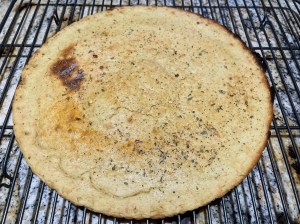
Chickpea bread (also called farinata in Italy and socca in France) is gluten free and a very tasty alternative to regular bread. It is also easy to make. You can find the recipe we use here, but there are also tons of equally delicious variations online.
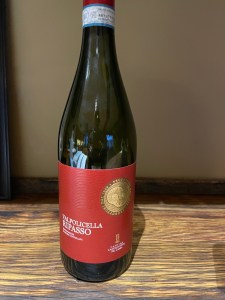
This is the wine we paired with our meal. It is a very inexpensive Ripasso which we purchased at Gallucci’s, an Italian grocer in the Cleveland, Ohio area. Its robust cherry flavor went really well with the beans, even though Ripassos are often paired with meats. It’s good to have some of this type of wine on hand, because it also goes great with pizza and pasta.
 Dinner Table Doctor