

Everything you didn’t want to know about MY colonoscopy and why you may want to schedule YOURS soon.
A few months ago, I had a colonoscopy. I am in my mid-fifties, so scheduled colonoscopies are a sad fact of life. It was my second, the first being earlier than normal when I was diagnosed with leukemia. This time around, the doctor found some polyps and diverticula, so I must go back in three years.
The gastroenterologist’s first words to me when I came out of my anesthesia stupor were, “You need to eat more fiber.” I accused her of taking a bribe from Dinner Table Doctor! Naturally my husband was thrilled, not that I had polyps and diverticula, but that he found strong support for his fiber obsession. We discussed my colonoscopy in detail while enjoying a high fiber dinner of delicious, freshly made refried beans and homemade corn tortillas.
Importance of Colonoscopies
I have written about colonoscopies in the past, but it bears repeating. Getting a colonoscopy is important for several reasons, primarily related to the early detection and prevention of colorectal cancer. Colorectal cancer often develops slowly from precancerous polyps, and a colonoscopy can identify and remove these polyps before they turn cancerous. Detected in its early stages, the chances of successful treatment and cure for colorectal cancer are much higher. According to the CDC, it is the fourth leading cause of cancer-related deaths in the United States. Delayed diagnosis can lead to more advanced and difficult-to-treat cancer.
What is the difference between diverticulosis and diverticulitis?
DTD shared that many of his patients are unsure about the difference between diverticulosis and diverticulitis. They are two distinct terms which are commonly confused.
Diverticulosis: Diverticulosis is the formation of abnormal pouches called Diverticula (plural) in the bowel wall. Diverticula can develop anywhere in the walls of the digestive tract but are usually found in the colon (large intestine). Diverticula form when weak spots in the muscular walls of the colon give way, allowing small pouches to protrude through. They are anatomic findings and once you have developed a diverticulum (singular), it’s there for good. These are what the doctor found in my colon. The formation of diverticula is often associated with factors such as a low-fiber diet, poor bowel habits and genetics, so they are very common in our country.
Diverticulitis: Diverticulitis is the inflammation or infection of one or more diverticula. It often occurs when bacteria from feces get trapped in a diverticulum, causing inflammation or infection. Common symptoms of diverticulitis include abdominal pain (usually but not always in the left lower quadrant), fever, and changes in bowel habits.
In summary, diverticula are the small pouches that can form in the digestive tract resulting in diverticulosis, while diverticulitis specifically refers to the inflammation or infection of these pouches. Not everyone with diverticulosis will develop diverticulitis, and diverticulitis may require medical attention and treatment.
What I have to do before my next colonoscopy
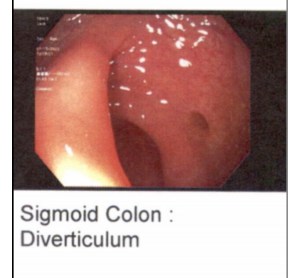
This is a picture of a diverticulum in my very own colon. See the brown spot on the right side? That’s it!
I was really surprised that I had these because I always thought my bowel habits were fantastic! I go regularly – never any issues at all. This is why I love my bidets (YES, that is plural! We have more than one!) DTD explained that it’s not really a matter of how often you go but what it looks like when you do. Our stool should be soft like a horse’s and not hard like a dog’s. DTD would rather have a patient say they have a really soft stool and go just three times a week than someone who says they go every single day, but their stool is hard. The first person is actually less constipated than the second.
Not surprisingly, all of the things I have to do are the EXACT same things that DTD always tells me to do, so I guess he really does know what he’s talking about, and I should listen to what he is saying every now and then. I still think DTD may have bribed the gastroenterologist to say these things to me…but here are my goals:
Increase Dietary Fiber
- Fiber is like exercise for your colon. Consuming a diet rich in fiber can help promote regular bowel movements and prevent constipation, reducing the strain on the colon walls.
- Include fruits, vegetables, whole grains, and legumes in your diet. DTD recommends a plant-based diet which I try to follow to a certain extent. I love all veggies, beans, and many fruits. Unfortunately I still enjoy some good sausage, salami and meatballs, so apparently there is room for improvement on my part.
Stay Hydrated
- Drinking an adequate amount of water is essential for maintaining proper bowel function and preventing constipation. I have no problem with this because I love my lemon water ever since I stopped drinking Diet Coke.
Regular Exercise
- Engage in regular physical activity to promote overall health and stimulate normal bowel function. I’m not crazy about sweating, but ever since I wrote the post about not exercising being as bad as smoking for your health, I try to be consistent with exercising.
Maintain a Healthy Weight
- Being overweight can increase the risk of diverticula formation. I could definitely stand to lose some pounds.
Avoid Straining During Bowel Movements
- Straining during bowel movements can contribute to the development of diverticula. Take your time in the bathroom and avoid excessive straining.
Limit Red Meat and Processed Foods
- Some studies suggest that a diet high in red meat and processed foods may be associated with an increased risk of diverticulitis. Consider reducing the intake of these foods. I’m not a huge meat eater, but I do like an occasional steak or burger with a good glass of wine along with all of the other meats I listed above. Yet another reason to up the veggies and beans and work towards a plant-based diet.
**Again, these are my goals because I have diverticulosis. If I had diverticulitis, then I would have to avoid fiber until my colon healed.** After the colon heals, then it is safe to start increasing fiber under your doctor’s supervision.
DTD stresses that in order to have a healthy colon, you absolutely must eat enough fiber, stay hydrated, and exercise. You want to do this to avoid developing diverticulosis because that may turn into diverticulitis, which leads to problems. It’s important to note that while these lifestyle and dietary changes may help reduce the risk of diverticula formation, individual cases may vary. If you have concerns about your digestive health or are at a higher risk, it’s advisable to consult with a healthcare professional for personalized advice and guidance.
If you think you’re due for a colonoscopy or you’re having bowel issues, visit your doctor and take care of business. I honestly don’t mind getting a colonoscopy because it means I get to have anesthesia, which I love so, so much. While the process of clearing the colon on prep day is annoying, the actual procedure is not a big deal, in my opinion. If your doctor says you are due for one, just go for it and enjoy the anesthesia! You can read more about colonoscopies in my post “Jump Start Your New Year with Plans for a Colonoscopy.”
Homemade tortillas are easy and delicious!
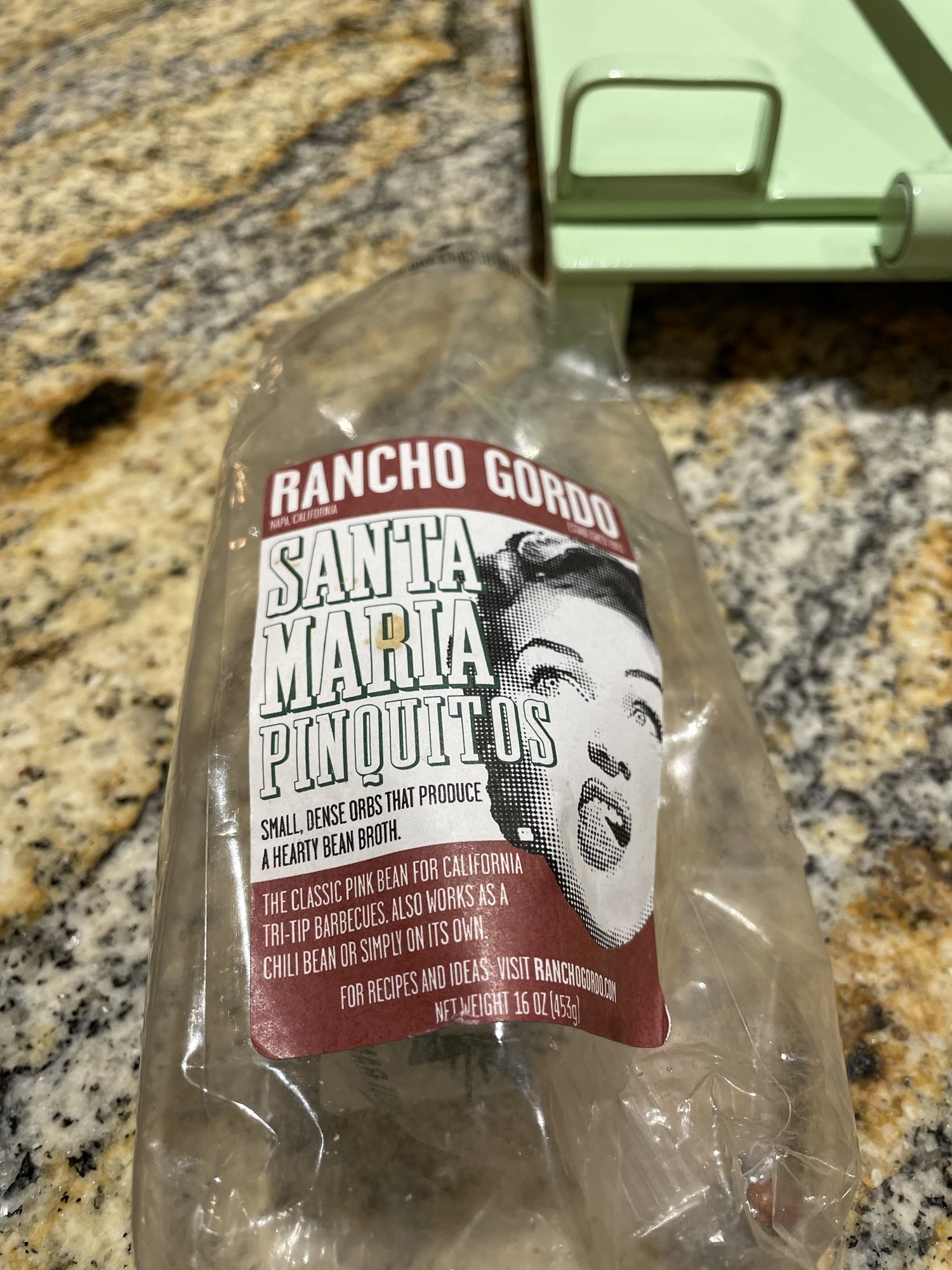
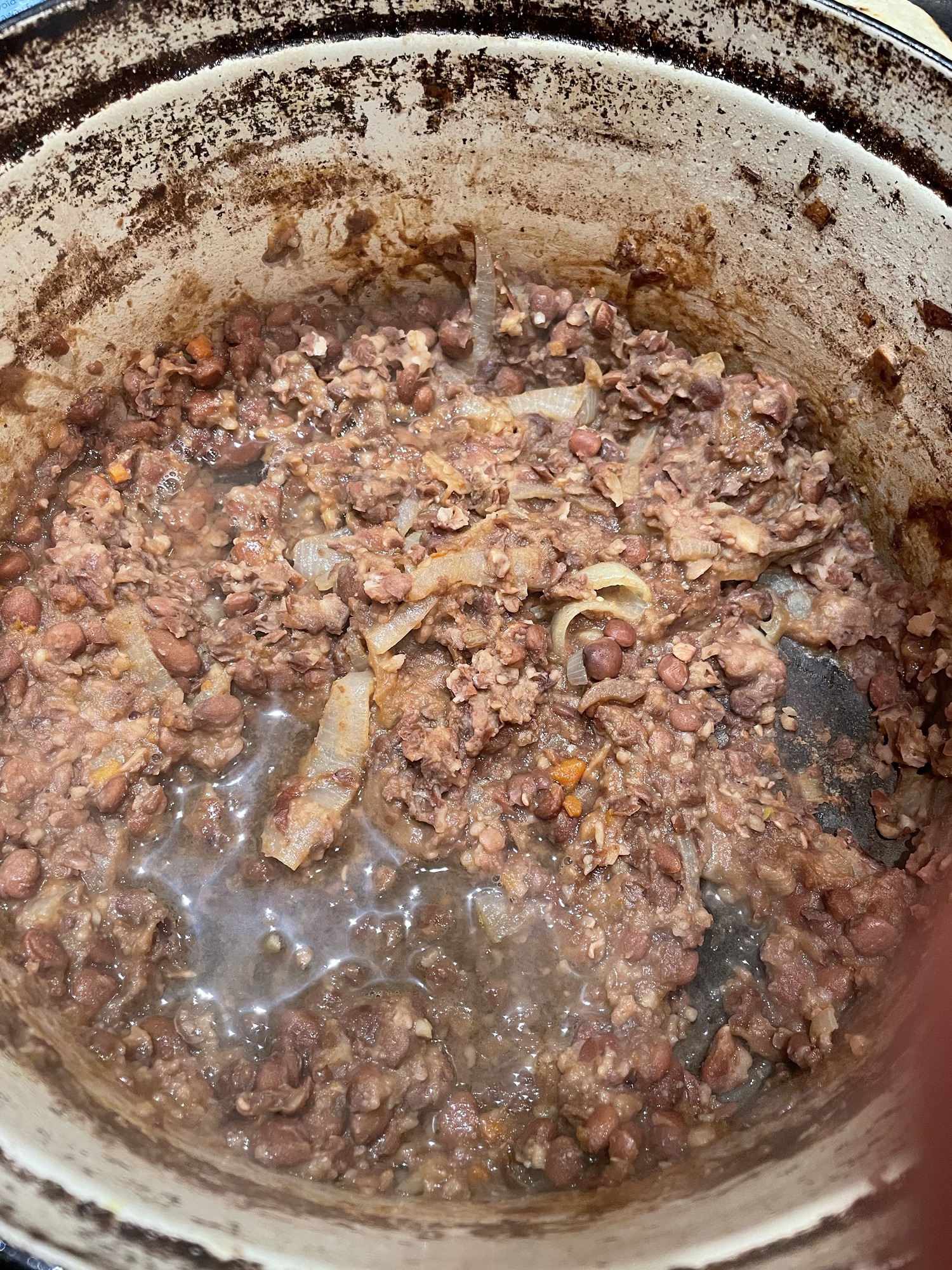
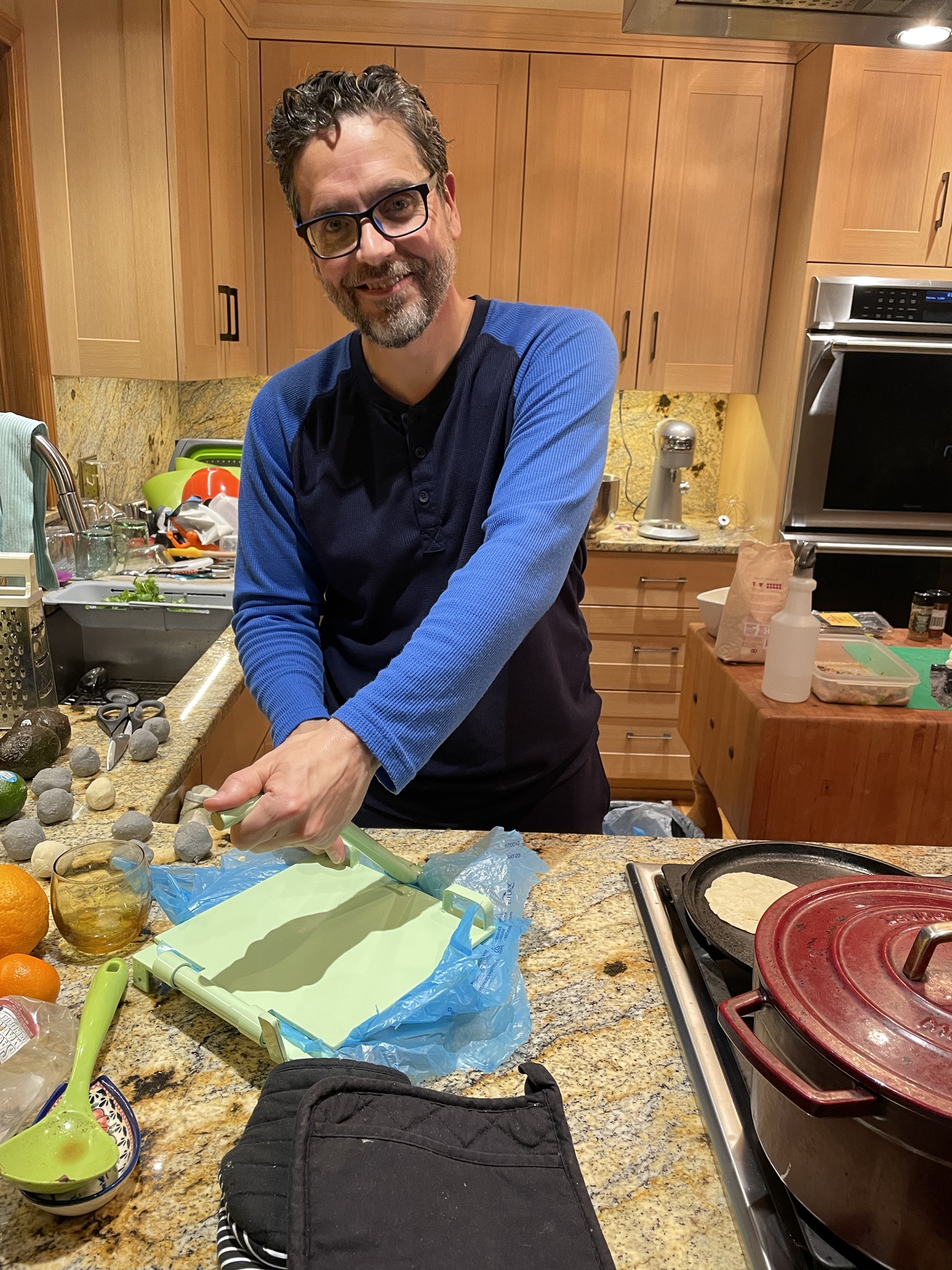
DTD belongs to a bean club. Not a wine club or a coffee-of-the-month club — a BEAN club. (Rancho Gordo heirloom beans are terrific, but the club has a waiting list. Luckily you can order their beans without being in the club.) Needless to say, we have a ton of delicious beans in the house at all times. After our wonderful visit to Oaxaca, Mexico with our dear friends Mario and Martha, DTD bought me my own tortilla press for my birthday. The corn tortillas in Oaxaca were absolutely on another level and I miss them so much. It’s actually very easy to make them at home, and though they aren’t quite as delicious as the ones we ate in Mexico, they are so much better than store bought tortillas. Plus, making them is truly enjoyable as a couple or as a group, so it’s a novel idea for a party or an entertaining family night. Our evening was the perfect way to have fun and consume some of our beans while testing out the tortilla press.
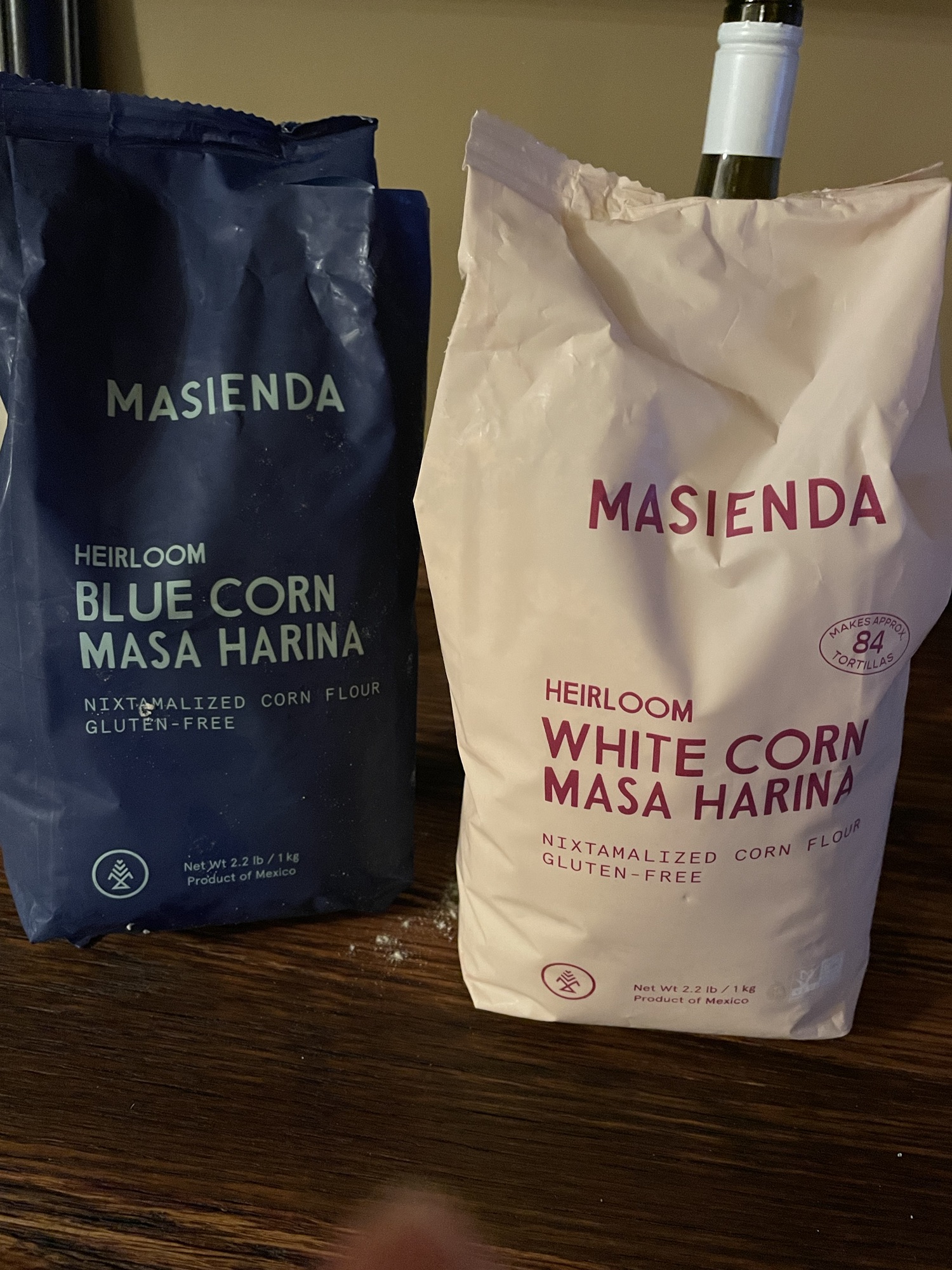
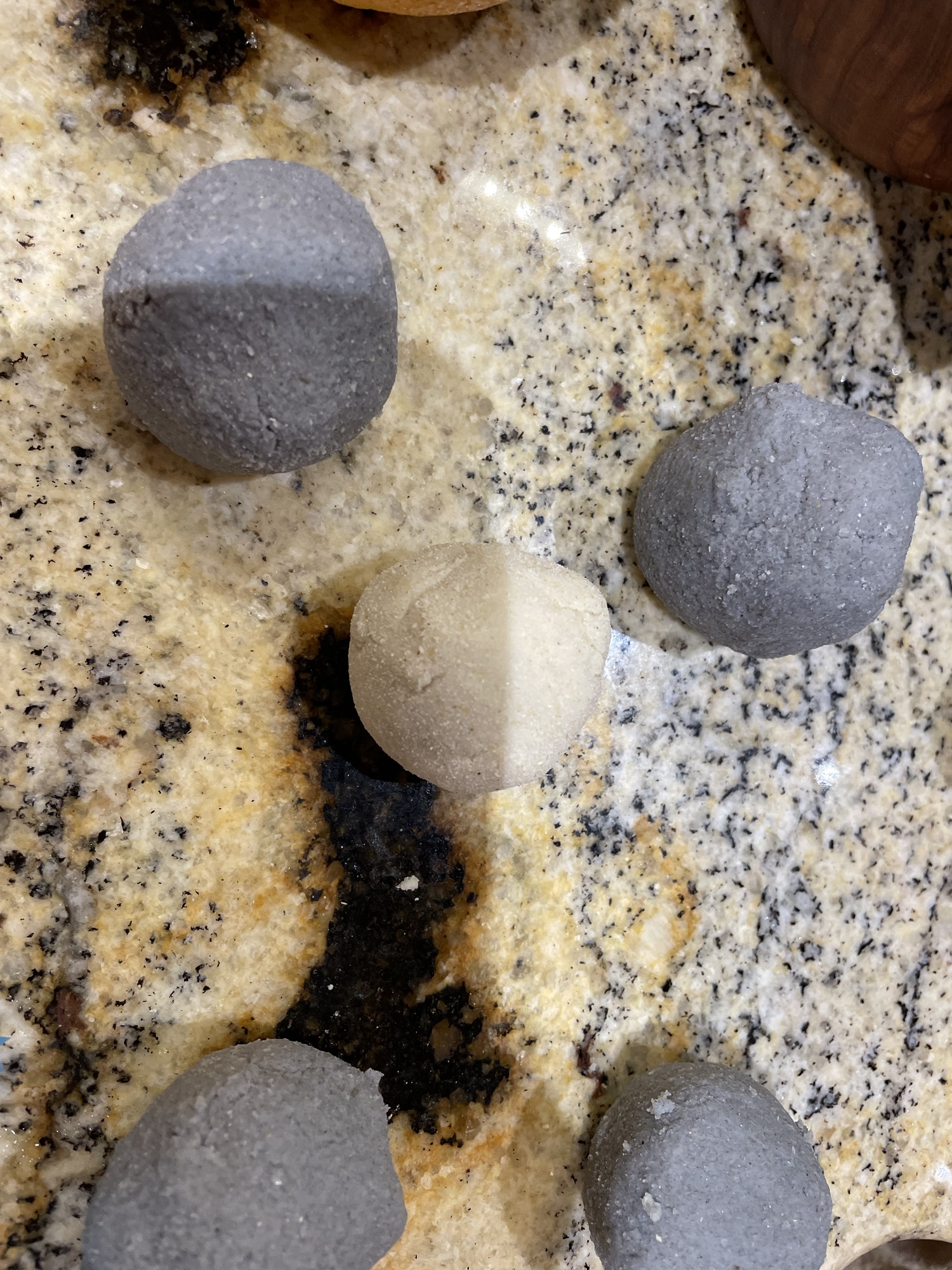
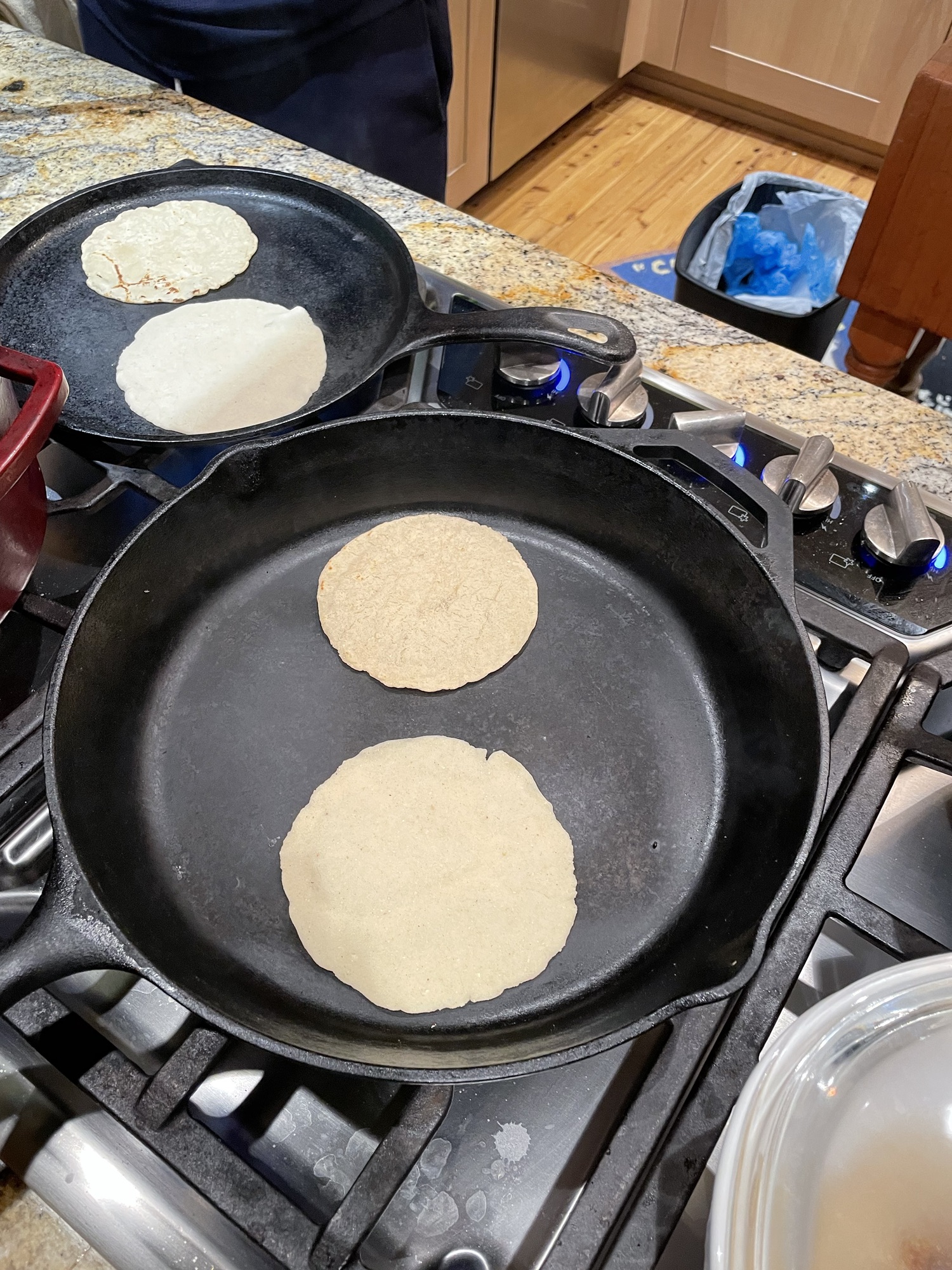
You start with a bag of masa harina, which looks like fine flour and comes from ground, nixtamalized corn. I learned in Oaxaca that the process of nixtamalization gives masa harina a savory flavor that you won’t find with cornmeal or corn flour. We ordered blue and white masa from Masienda, which is the same place we got the tortilla press. You can also order masa online from a variety of places or buy it at many grocery stores. You don’t need a tortilla press to make these, but I think it’s more fun that way. Some people prefer using a rolling pin and biscuit cutter, so it’s your choice! We simply followed the recipe on the bag, which is basically a cup of warm water for a cup of masa. You stir it together by hand and give it thirty minutes or so to let the water soak in fully. Then you form balls of dough and smash them in the tortilla press (the fun part!). You put them in a dry, very hot pan and flip them a few times while you watch the magic happen. They taste amazing! Whether or not you buy their products, the Masienda website has lots of tips and information and plenty of videos available if you want to take a deep dive into the art of homemade tortillas.
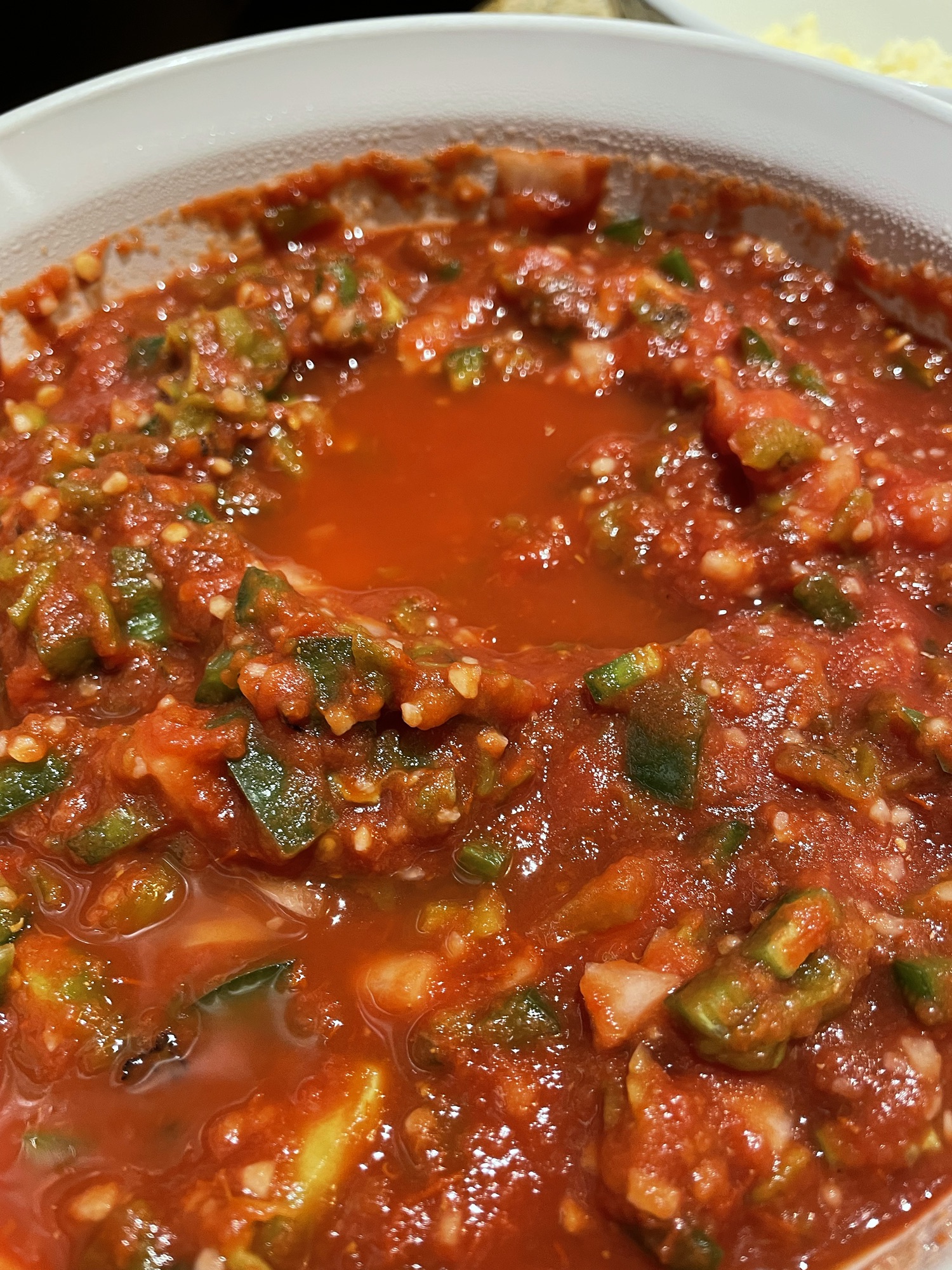
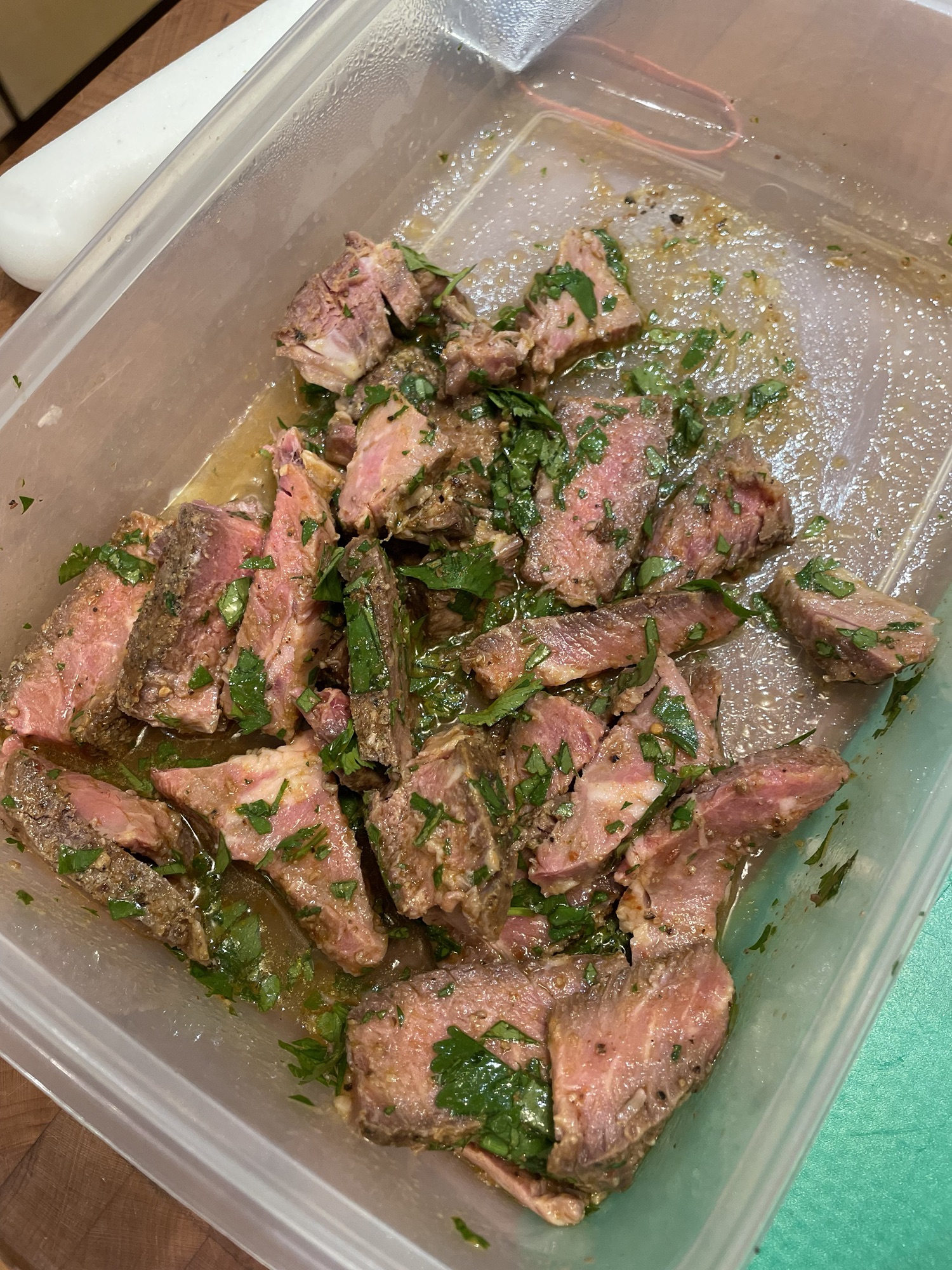
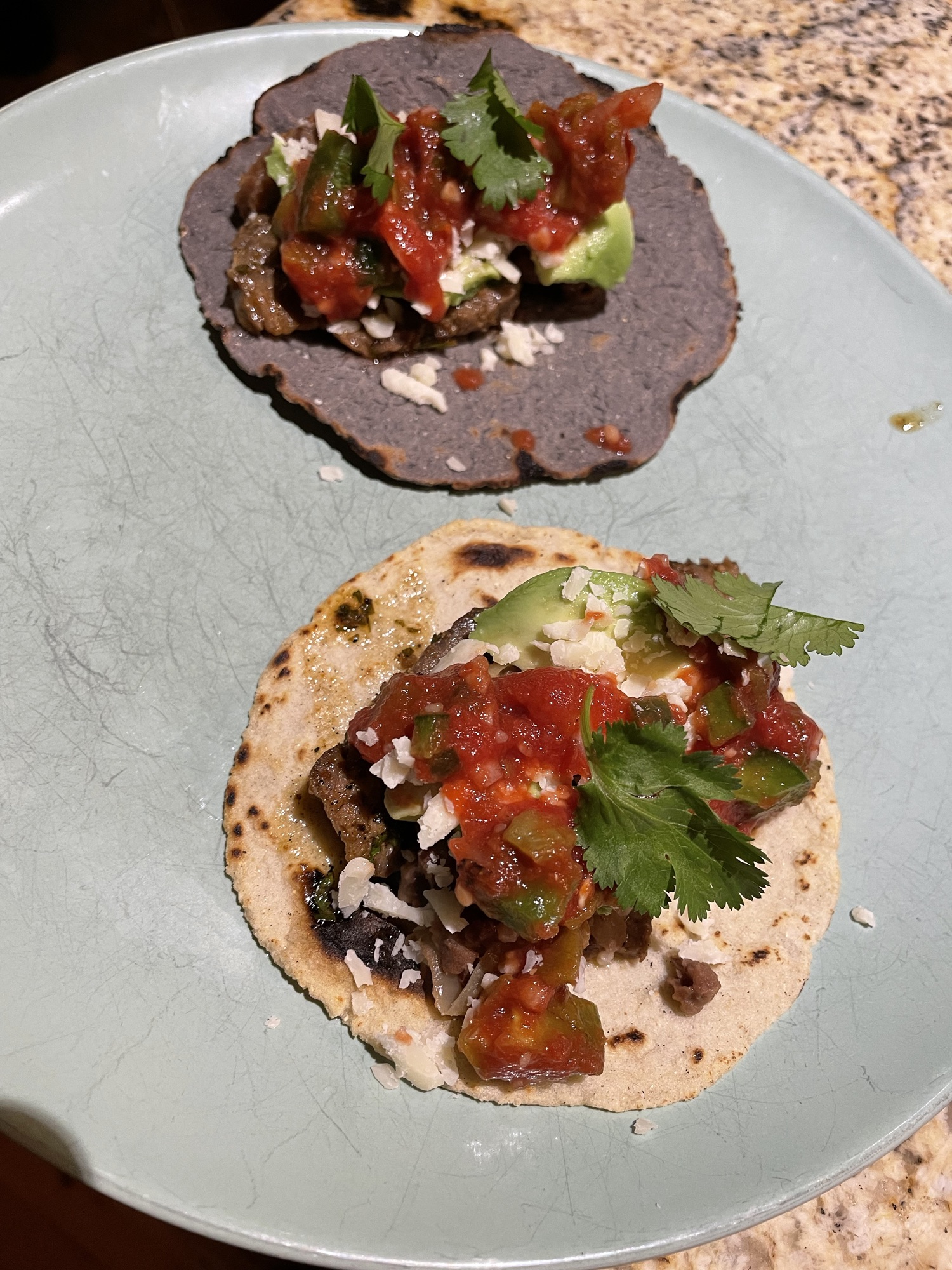
We served our tortillas with some Rancho Gordo refried beans that we made ourselves. These have much more flavor than canned refried beans and are healthier, since we use olive oil in place of lard. We also made homemade salsa and added some shredded cotija cheese, an aged Mexican cheese which you can find in most grocery stores. We had some leftover steak that we sliced and seasoned like carne asada with fresh cilantro, garlic, and lime juice because I can’t go ALL plant-based diet - baby steps!
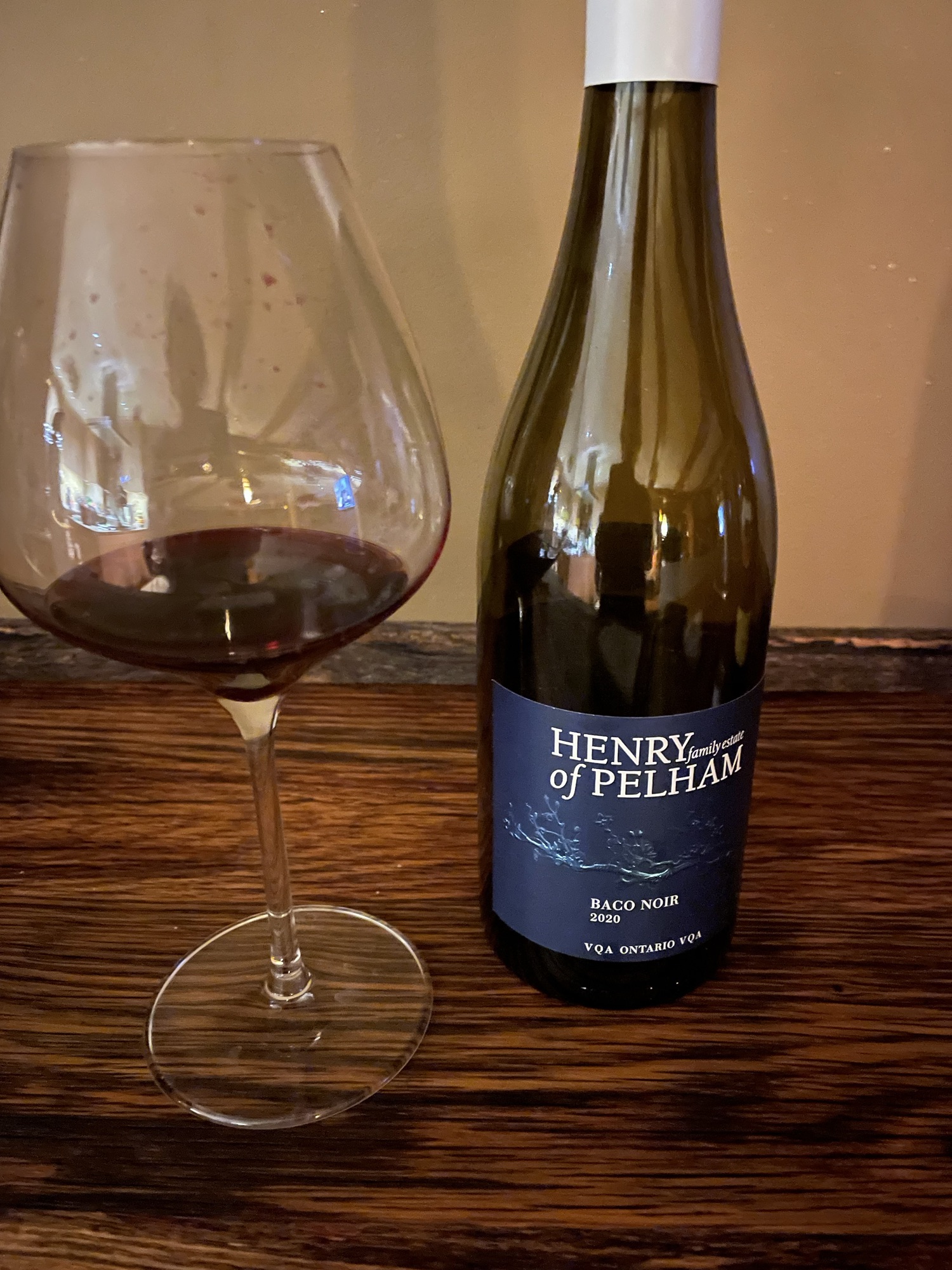
We didn’t have any of the delicious wine from Mexico on hand, so DTD paired the meal with wine (2020 Henry of Pelham Baco Noir) from our neighbors up north. Baco noir is a hybrid grape that thrives in cooler regions like Ontario. This red wine was the perfect pairing, so cheers to Canada and Mexico and many thanks for inspiring a great meal, full of fiber to prevent future diverticula in my colon!
Watch Dinner Table Doctor cooking beans and gabbing about medical stuff…
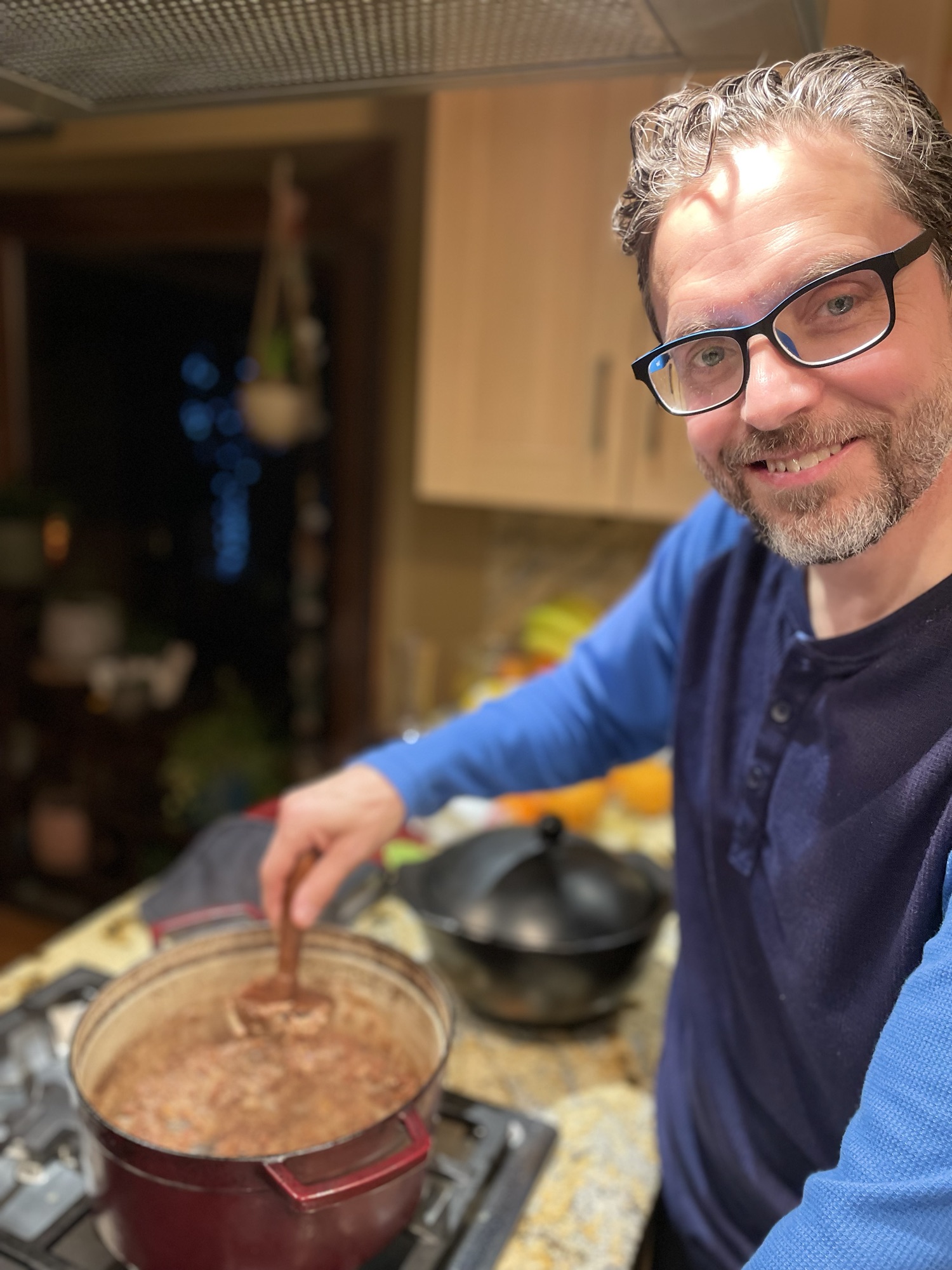
Check out this TikTok video of DTD explaining diverticulitis versus diverticulosis in great detail while making beans! I always ask him to read my posts before they go public to make sure the information is accurate. He was cooking yet another batch of beans for some minestrone and on a role talking about the colon. He looked so darn cute and excited about sharing, so I decided to record him. Thus, the DTD TikTok account was born.
Keep in touch!
Find me on Instagram, Pinterest, Facebook, and now TikTok. Subscribe to follow along with my quest to be healthy while listening (and occasionally ignoring) advice from my Dinner Table Doctor.


You and Shelby are sure to be TikTok stars!
LikeLiked by 1 person