
Protein is a hot topic in the news lately and Dinner Table Doctor has been getting a lot of questions about it, both from his patients and from dinner companions. It seems everyone wants to make sure they are getting enough protein, but no one knows exactly why it’s important, how much is needed or how to incorporate it into their diet in a healthy way.
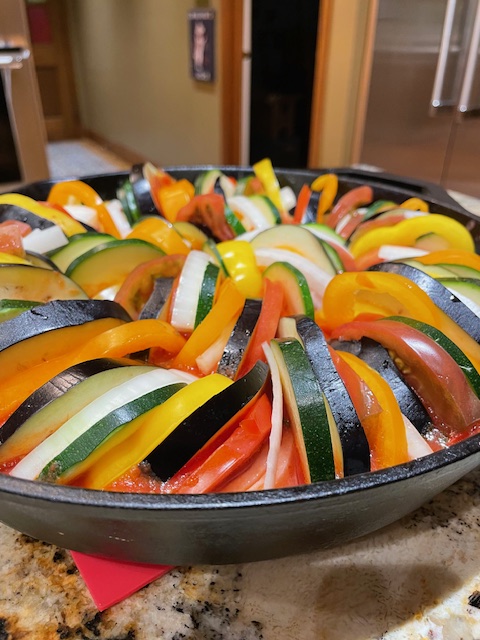
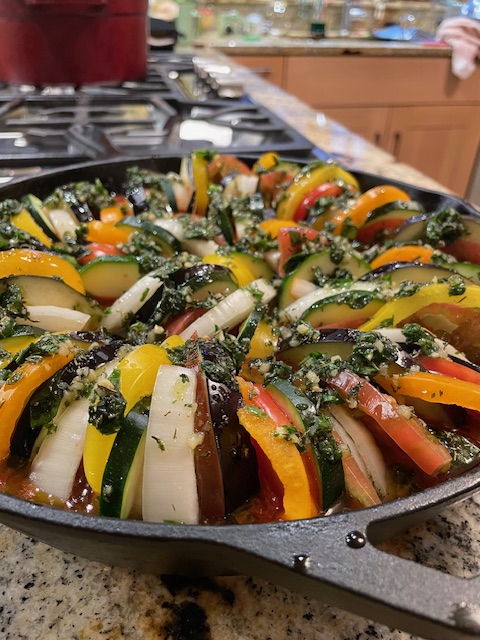
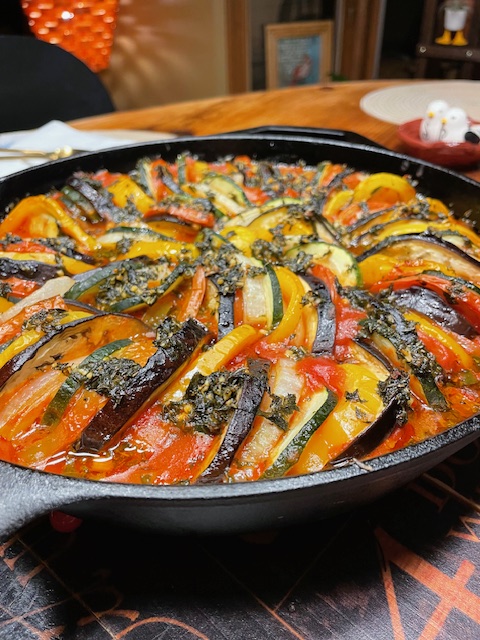
We discussed this topic over some ratatouille, a dish our youngest child wanted to try her hand at making. Ratatouille is an all-vegetable dish, and while it can be served as a first course or a side, we were serving it as the main event, so naturally the topic of protein, or lack of it in our menu, came up during conversation. Here is everything DTD told us about protein, why it’s important, and why some people are going about increasing protein the wrong way.
What is protein?
Protein is made of amino acids. These tiny organic molecules are like building blocks and are essential for building tissues, repairing cells, making hormones, and other vital life functions. Protein supports the immune system and provides energy.
Why do we need protein?
Protein builds and repairs muscle, bones, cartilage, and hair. It gives us energy, aids in digestion, regulates hormone production, and help us fight infections. Sounds great, but too much of a good thing is actually bad for you. Excess protein may cause kidney stones, kidney damage, heart disease, weight gain and digestive issues.
How much protein do you need?
The recommended minimum daily amount of protein is .36 grams per pound, but the amount really depends on many factors, including your gender, age, and activity level. Here is a link for a handy calculator so you can see exactly how much you need.
How do you get protein?
DTD explains you can get protein from a variety of sources, but lately he has noticed an over focus on animal products. Many patients are eating meat-heavy meals attempting to follow fads such as carnivore, paleo or keto diets. As all of my regular readers know, DTD is a proponent of a plant-based diet. This does not mean we don’t eat meat. I LOVE meat. We eat meatballs and steak and sausage and chicken and lamb and more, BUT meat is not our regular source of protein, because we don’t eat meat every day. When we do eat a meal centered around meat, we try to add multiple vegetable side dishes. Basically, we eat a Mediterranean diet where plants are the main attraction, even when it comes to protein sources.
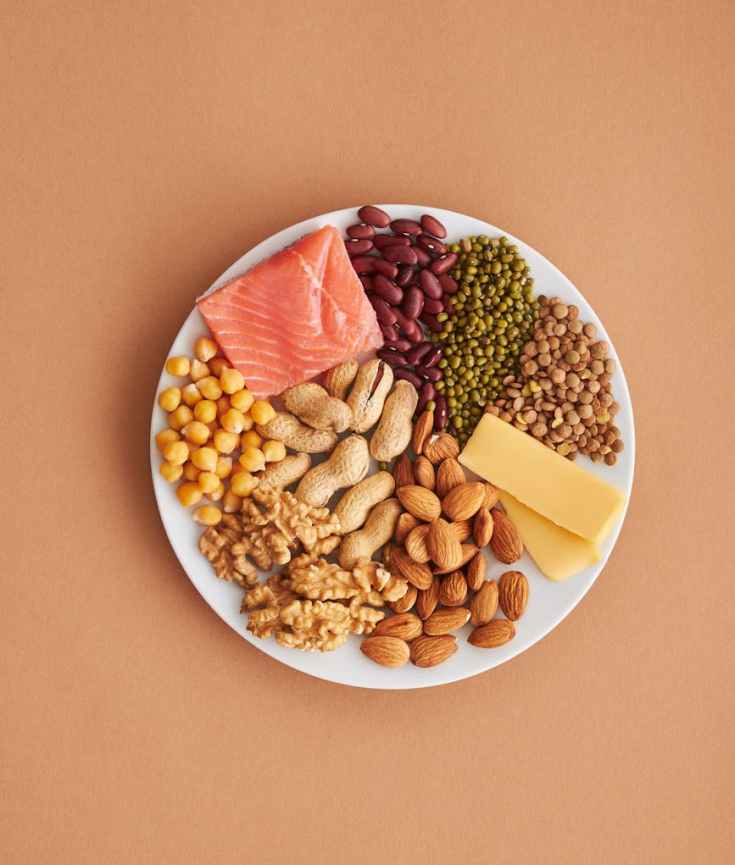
If DTD and I are not eating much meat, where do we get our protein? We get protein from a wide variety of sources, but mostly from beans. Many of his patients are surprised when he tells them a half cup of beans typically has more protein than an ounce of beef. Here are some common sources of protein other than meat products:
- chickpeas
- lentils
- peas
- milk
- cheese
- yogurt
- tofu
- nuts
- seeds
- kidney beans
- edamame
- navy beans
- black beans
- cannellini beans
DTD advises you concentrate on getting protein from different sources in this order:
- Mostly plant-based sources, including beans and other legumes, nuts, seeds and soy products such as tofu
- Some fish
- Less poultry and eggs and dairy
- Red meat rarely
- Try to avoid processed meat
What about protein supplements?
DTD is not a huge fan of supplements because in general they are ultra processed foods. For example, he tells patients to add nuts, seeds, chia seeds or flaxseed meal to a smoothie mix instead of protein powder. Use whole food protein rather than processed.
Ratatouille with a side of beans
We used this recipe from the Vibrant Plate: Easy Plant-Rich Recipes website to create our ratatouille dish. It was a fun bonding process and the results were yummy. We had a side dish of protein-rich beans topped with pesto.
 Dinner Table Doctor
Thanks DTD for the great advice!!
LikeLiked by 1 person